
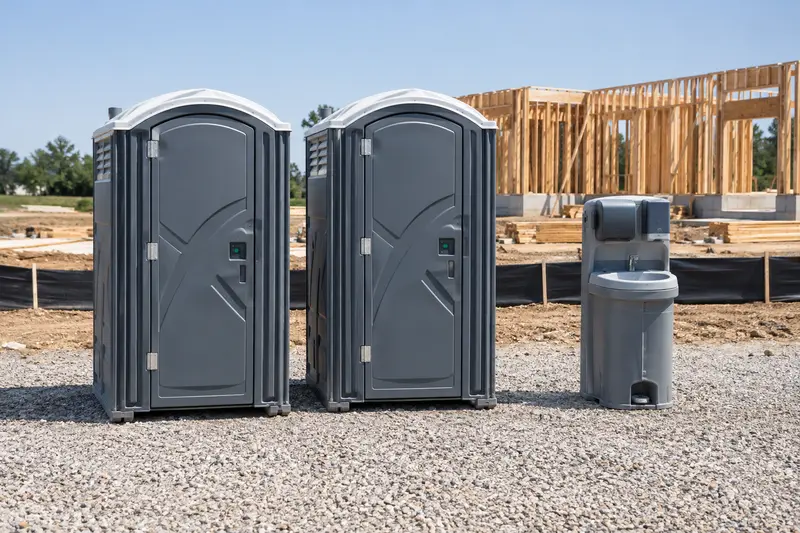
Inspect the route as well as the destination
Look for obstacles between the street and proposed position and explain uncertain areas to the supplier. Include space needed after placement. A unit fitting on the ground does not prove a vehicle can deliver or service it.
Walk the route before selecting a position
Look at the entrance, turns, gates, ground surface and overhead obstacles. Distinguish the unit footprint from vehicle clearance and the usable space for doors and people. Describe uncertainties to the supplier. A photograph or map can help a discussion but does not replace a site-specific access assessment.
Plan three visits, not one
Delivery, a service visit while the property is busy and collection can face different conditions. Explain what will change between them. Leave routes available and make sure the person controlling access knows the arrangement. If an unattended delivery is proposed, agree the details privately and in advance.
Prepare a short written handover
Keep the accepted equipment, use dates, placement permission and contact person together. Include how to request changes or report a problem. Ask before moving equipment or altering connections. Do not place access codes, personal details or customer messages in public links or signage.
Details to confirm for this rental
Equipment and intended use
Have the proposed model, quantity and needed features identified in the quote. Explain available permanent facilities and the busiest users. Confirm suitability for the property with the responsible contact.
Visits and responsibility
Review delivery, attention, supply replenishment and collection together. Keep the accepted dates and access arrangements with the site contact. Ask how changes, service questions and removal requests should be handled.